Butterfly Tattoo: Symbolism and Beauty on Your Skin
 Olivia Bennett
Butterfly tattoo designs are among the most versatile options, suitable both for a first tattoo and for more intentional, well-thought-out pieces.
They feel light and effortless while still offering plenty of room for customization in style, placement, and overall concept, which is why they continue to stay relevant across different visual approaches.
This design doesn’t overload a composition and works well on the body. With the right size and placement, it keeps its shape and readability in motion, which is critical for long-term perception. That’s why it remains relevant regardless of trends and is often used as a base for different butterfly tattoo ideas, from minimalistic sketches to more complex

 Make a sketch in the AI VEAN TATTOO generator


What Does a Butterfly Tattoo Mean?
When people consider getting a tattoo, one of the first questions is what meaning it carries.
At its core, this symbol represents transformation. It goes through a journey from a closed state to free movement, which is why it’s often associated with change, a new phase, and inner growth.
In a broader sense, this symbol is associated with transition and personal development. People choose this tattoo at moments when it’s important not just to get a design, but to mark a specific stage in life. For some, it reflects a deeply personal story, while for others it’s more about the feeling of freedom or moving forward without looking back.


Symbolism
If we look deeper into what does a butterfly tattoo represent, the meaning of this image unfolds through several key associations:
- personal transformation and rebirth
- moving forward without returning to the past
- inner changes that aren’t always visible externally
- balance between lightness and strength
- the value of the present moment
Because of this layered symbolism, butterfly tattoo meaning on a woman is often interpreted as something more emotional and personal, although in reality the symbolism itself is universal and not limited by gender.
At the same time, the perception of the tattoo depends less on explanation and more on execution. Light, minimal designs feel softer and calmer, while more graphic and high-contrast options appear sharper, more structured, and visually stronger.


How to Choose a Design
In practice, the difficulty isn’t in finding a visually appealing reference, but in understanding whether it will actually work on your body.
The same concept can look completely different depending on size, placement, and technical details.
What to consider:
- Size
- Smaller pieces look clean and delicate, but very fine details may fade over time if the lines are too thin. Medium and larger options tend to hold their structure better and remain readable longer.
- Wing Shape
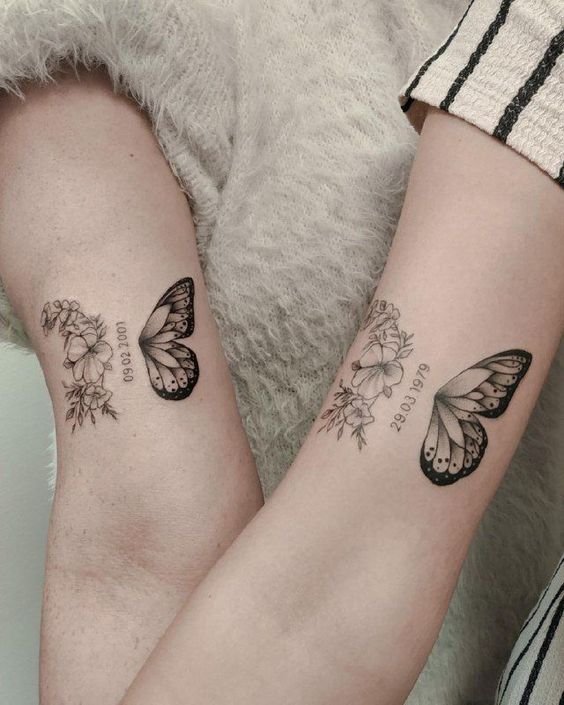
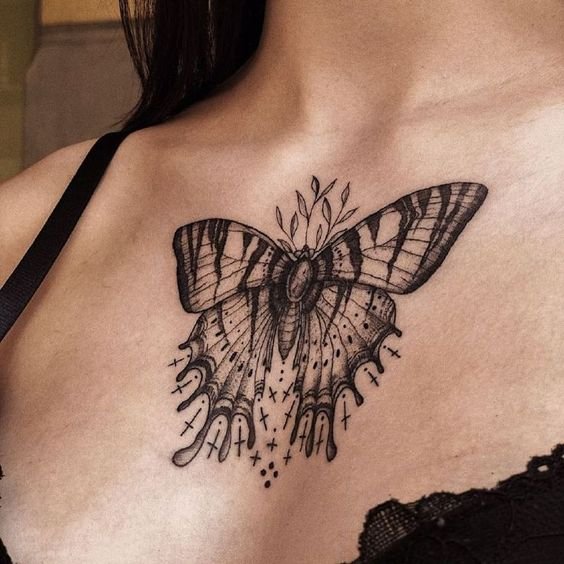
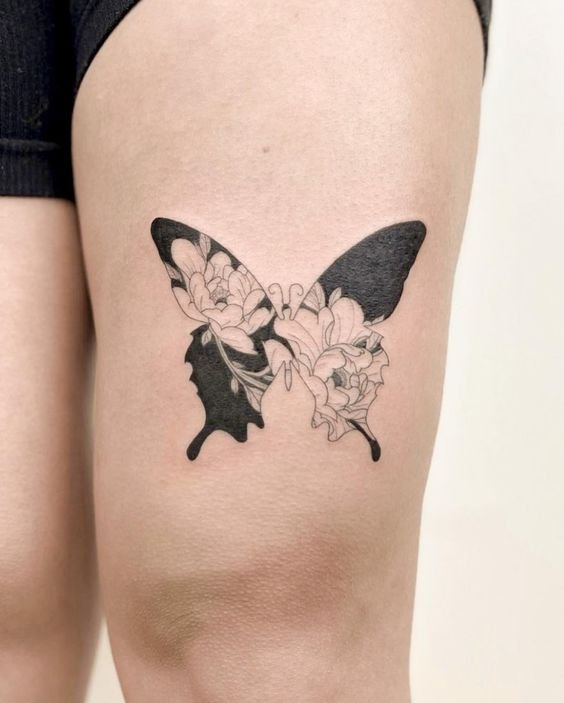
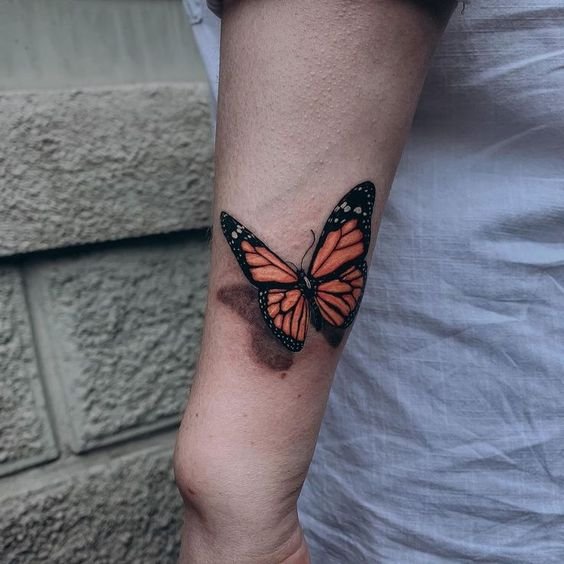
- Elongated wings work well on areas like the arm or collarbone, where the shape follows the body. Wider forms are better suited for the back or thigh, where there is more space for balance.
- Line Type
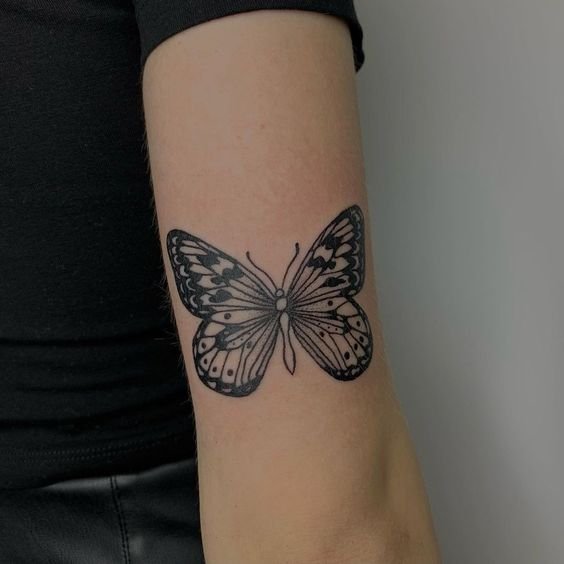
- Fine lines look lighter and more subtle, but they require precision. Bolder lines create stronger contrast and tend to last longer without losing clarity.
- Composition
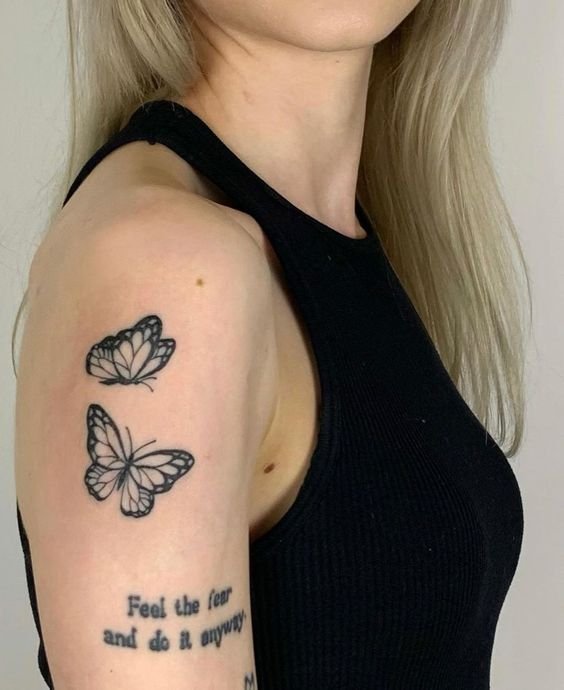
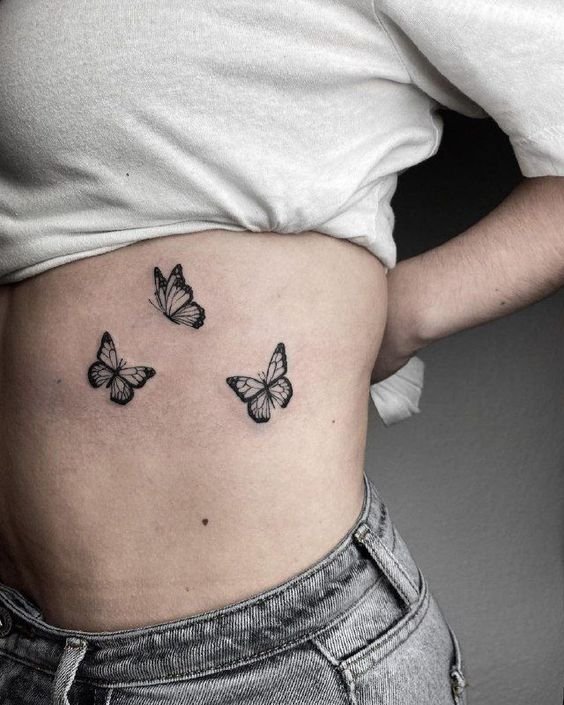
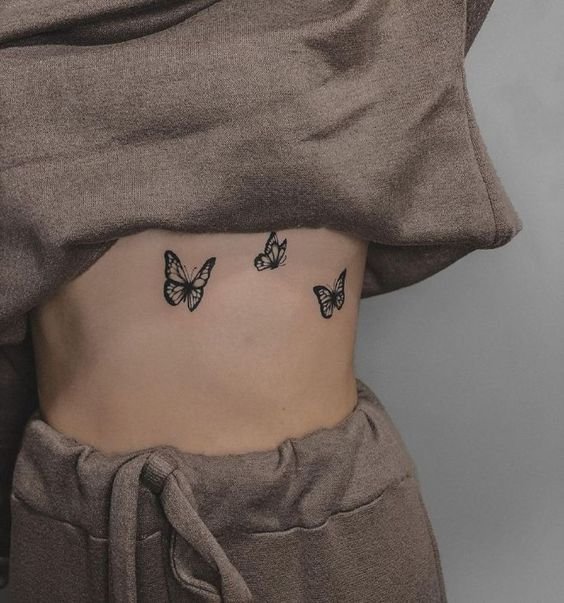
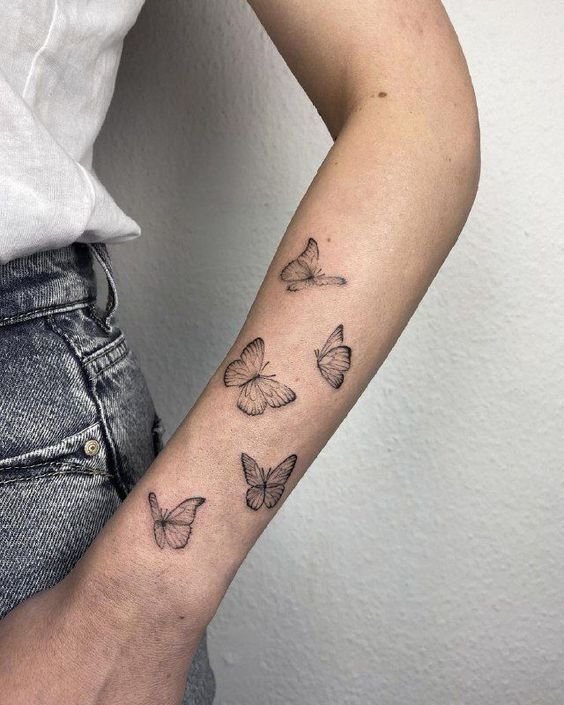
- A single butterfly is easier to keep visually clean and balanced. Multiple elements create movement and rhythm, but if not planned carefully, they can overload the area and reduce readability.
- Placement
- The same sketch will be perceived differently depending on the placement, and this directly affects how stable the tattoo looks over time.
In the end, choosing a design isn’t just about the image itself - it’s about how it will age, move with the body, and look in everyday life.


Style Variations
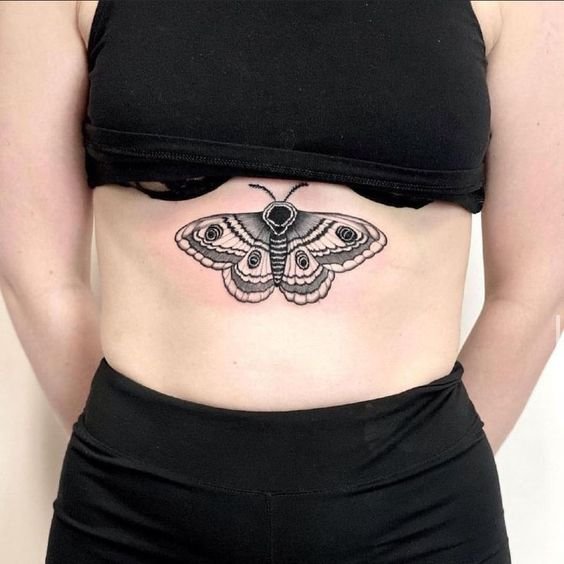
Butterfly tattoo ideas for women can range from minimal to highly detailed, depending on the chosen style and overall scale.
These options often focus on lightness, flow, and clean visual balance:
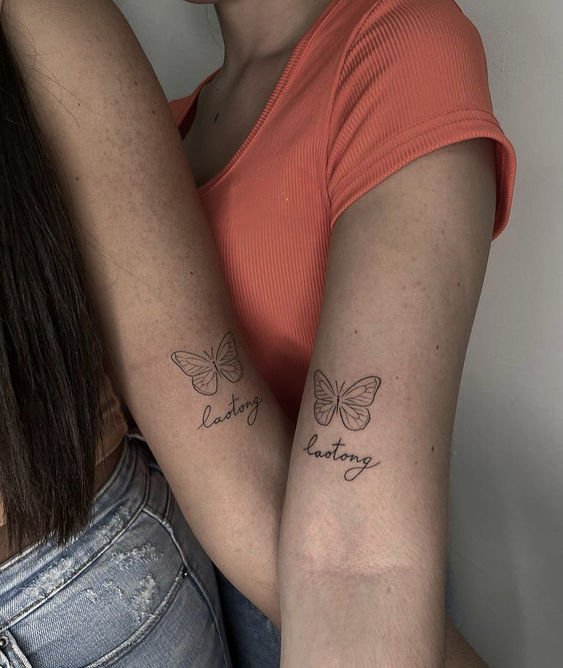
- minimalism with fine, аккуратные линии
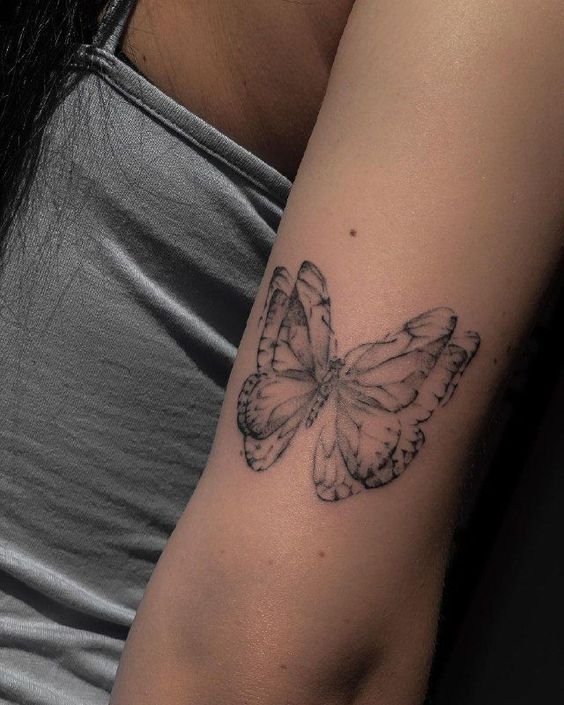
- soft outlines without harsh contrast
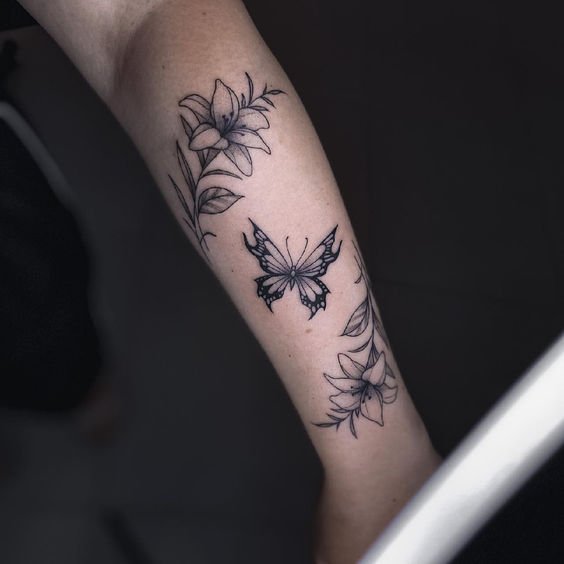
- combinations with flowers that add softness and personality
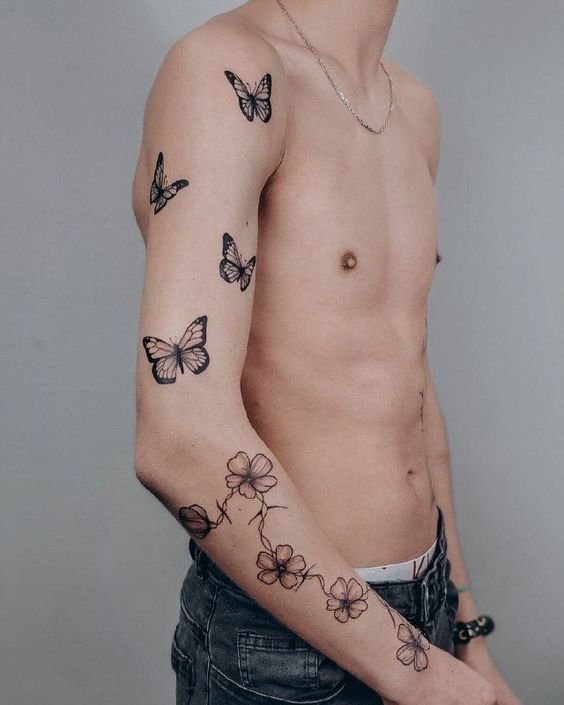
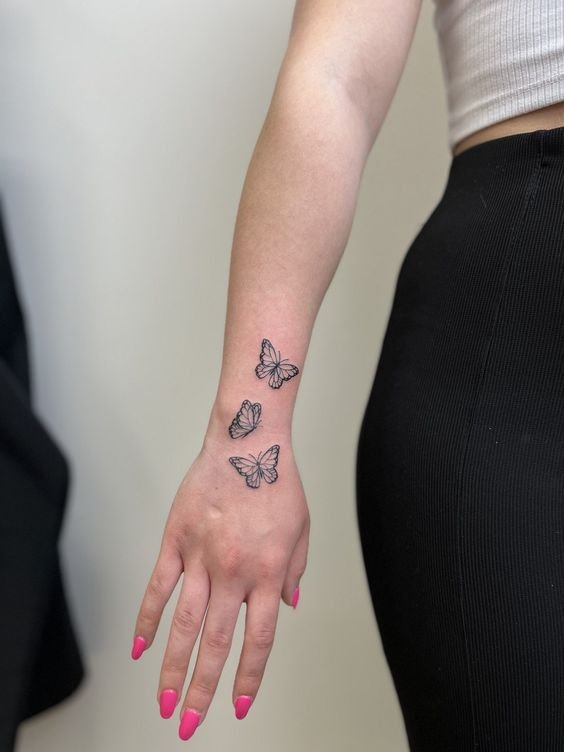
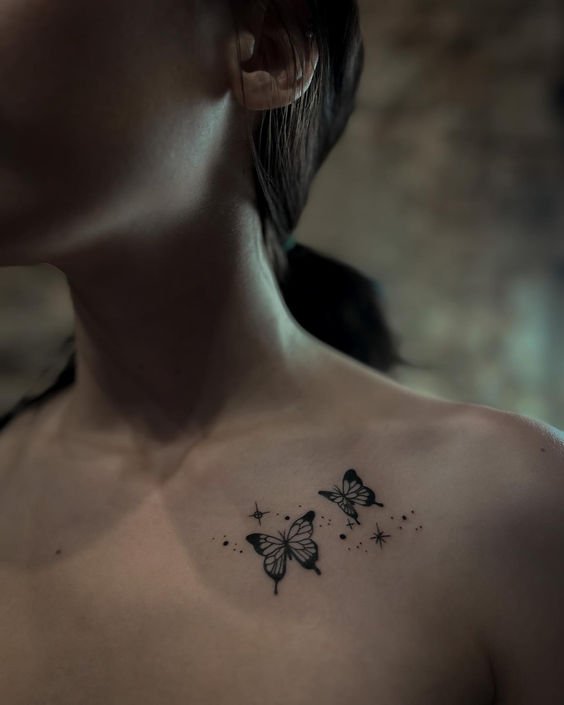
- several small butterflies to create a sense of movement
- symmetrical compositions that look stable on the body
These approaches usually emphasize visual clarity and a softer perception.
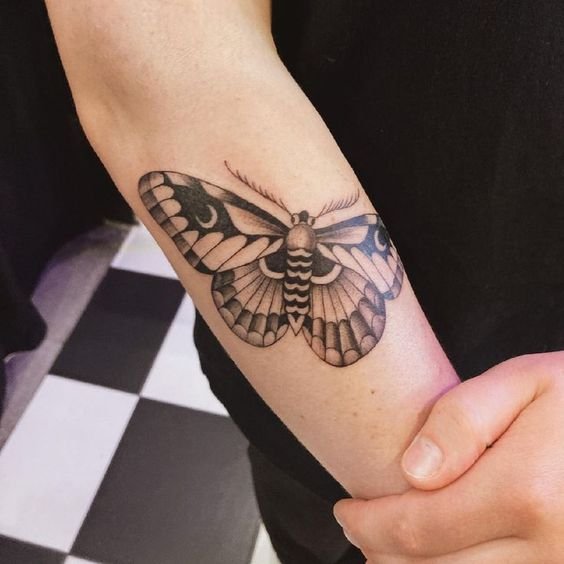
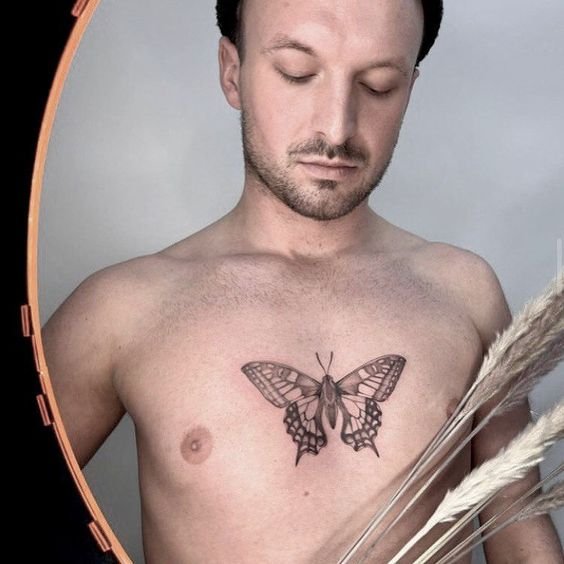
When it comes to butterfly tattoo for men, the approach is usually different in terms of visual weight and structure. Here, denser and more contrast-heavy options are more common, as they hold their shape better and read more clearly.
- graphic styles with strong contrast
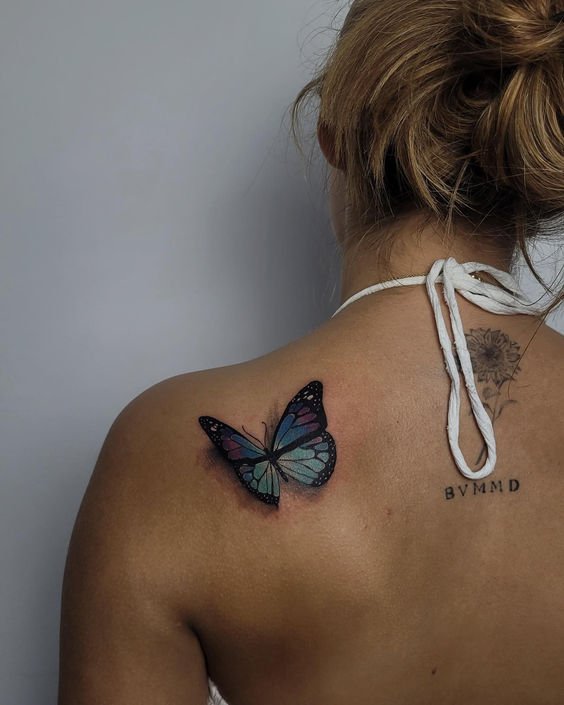
- realistic wings with detailed shading
- geometric elements that add structure
- larger scale for better detail visibility
- combinations with other elements to enhance the composition
In this case, both size and level of detail are chosen to ensure the tattoo remains stable over time.


Placement
Placement directly affects both perception and durability of the tattoo.
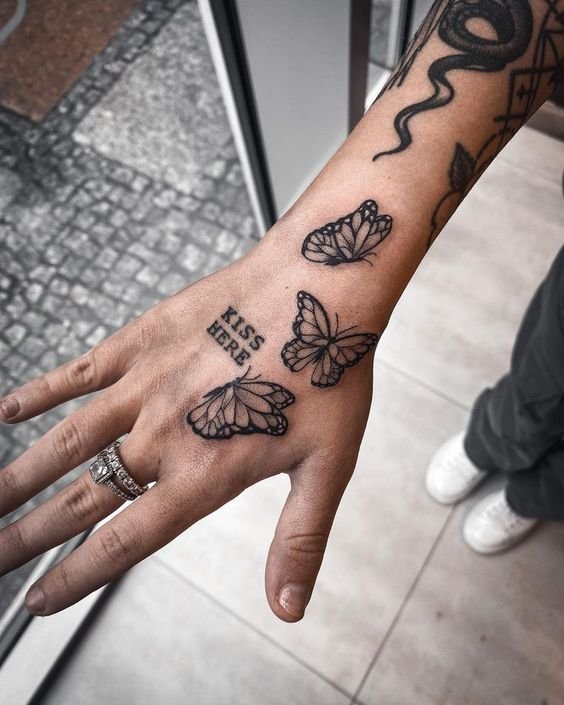
A butterfly hand tattoo is one of the most visible and expressive options. It draws attention immediately, but at the same time is constantly affected by movement and external factors.
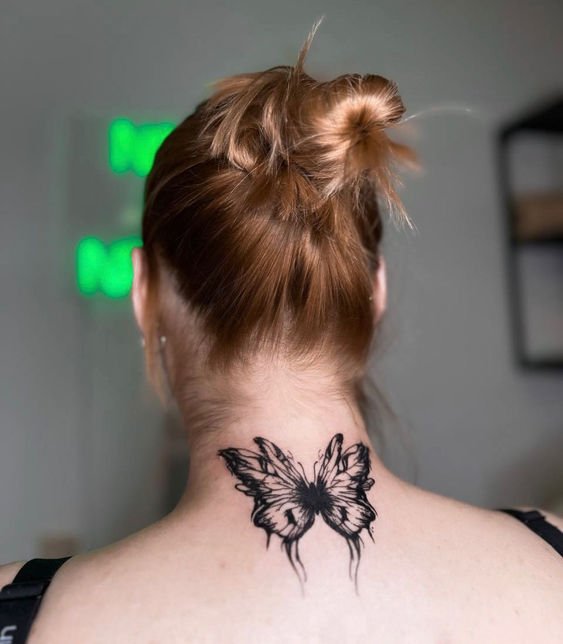
A butterfly neck tattoo is even more accent-based. This area requires precision, because even small shifts in size or placement become noticeable right away.
Other commonly chosen areas include:
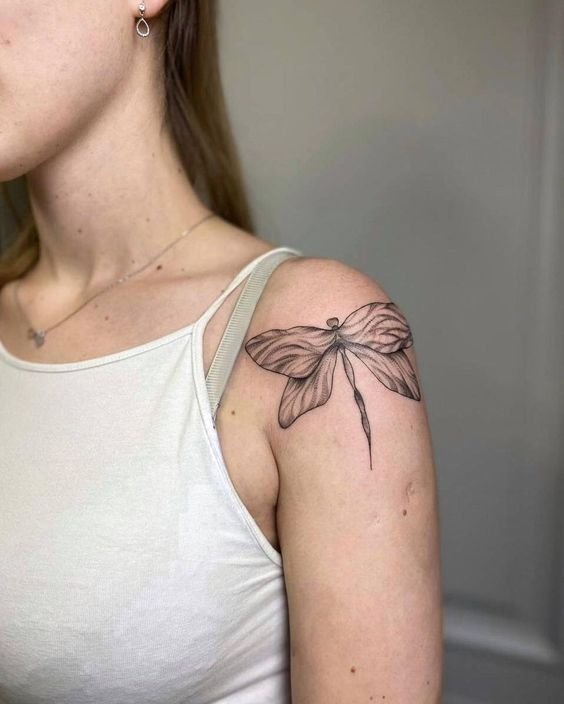
- collarbone - ideal for elongated and lighter compositions
- back - suitable for symmetrical and larger designs
- thigh - perfect for detailed work with enough space for scale
The key factor is always anatomy. The wings need to work with the body - otherwise even a well-designed tattoo can look unstable and lose its shape in motion.


Even a simple-looking design requires adaptation.
A tattoo is never transferred onto the skin unchanged - it is always adjusted to the individual.
This includes:
- matching proportions to the placement
- refining the size
- accounting for skin movement
- checking how the tattoo looks in different positions
This stage is crucial, because it directly defines the final result. The same design can look completely different depending on how it’s adapted to the body.
Final Thoughts
A butterfly tattoo combines a simple visual form with flexible meaning. It can be light and almost unnoticeable or become a strong visual accent — everything depends on execution and design decisions.
What matters most is not just choosing an image, but understanding how it will look on your body in motion and in everyday life. That’s what separates a random choice from a thoughtful and well-executed tattoo.